
General Construction Safety
July 23, 2020
Serious injury or death is a risk when a construction worker sets foot on a job site. Hazards can exist in many places, from ladders and scaffolding to power tools and heavy machinery. All workers on a construction site must work together to prevent injury and death, from the foreman all the way down the chain of command. Everyone is responsible. The construction industry includes a diverse array of working environments. No two construction job sites are the same. Here are a few ways to practice safety on a construction site.
Personal Protective Equipment
- Wear suitable clothing to include long pants and short-sleeved shirts, minimally.
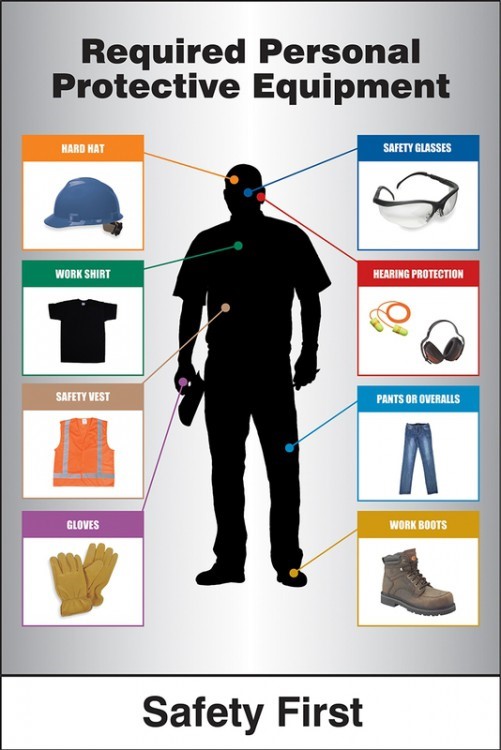
- Wear adequate footwear.
- Hard hats, safety glasses or goggles must be used when a potential hazard exists.
- Use hearing protection (earplugs or earmuffs) in high-noise areas.
Housekeeping
- Always store materials safely. Tie down or support materials as necessary to prevent falling, rolling, or shifting.
- Shavings, dust scraps, oil, or grease should not be allowed to accumulate. Good housekeeping is a part of the job.
- Trash piles must be removed as soon as possible. Trash is a safety and fire hazard.
- Immediately remove all loose materials from stairs, walkways, ramps, platforms, etc.
- Do not block aisles, traffic lanes, fire exits, gangways, or stairs.
Other general safe work practices
- Avoid shortcuts – use ramps, stairs, walkways, ladders, etc.
- Do not remove, deface, or destroy any warning, danger sign, or barricade.
- Do not interfere with any form of accident prevention device provided for use or that is being used by other workers.
- Use proper lifting techniques with heavy or bulky materials to avoid injury to yourself or damage to the material.
- Do not use tools with split, broken, or loose handles, or burred or mushroomed heads. Keep cutting tools sharp and carry all tools in a container.
- Know the correct use of hand and power tools. Use the right tool for the job.
When working on a construction job site, always wear the proper protective equipment, be properly trained, and follow safety guidelines to reduce the risk of injury or death. Always use your training, and if you have questions or don’t know how to use a tool, ask your supervisor. Being prepared can save you or others from getting injured on the job.